
With “Climate Change” high on our agenda you’ll be interested to know how potters at the studio can continue to create whilst minimising their impact on the lives of others and the future of the planet.
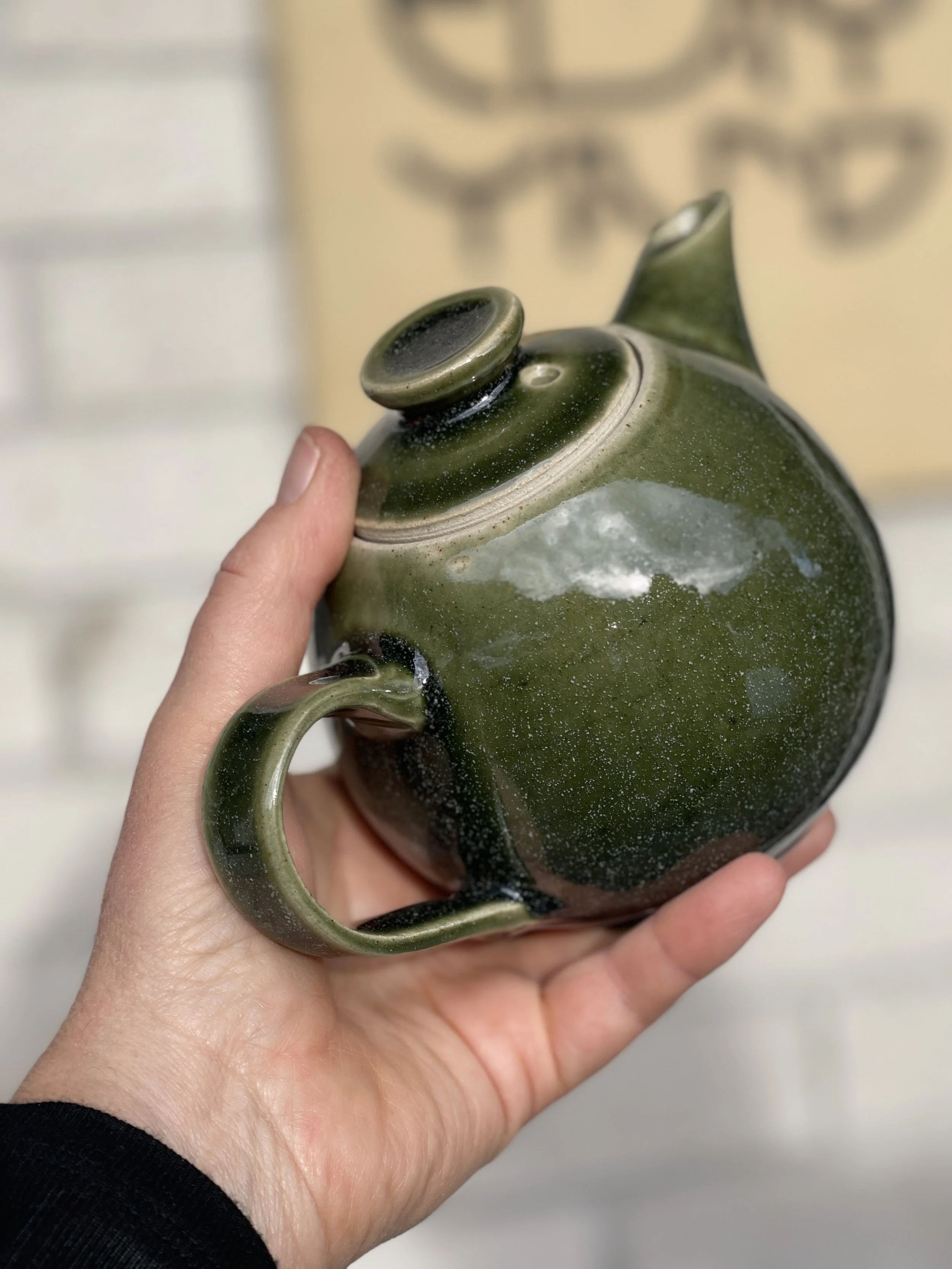
Sustainability in ceramics covers materials, processes, energy use, waste management and product lifecycle. Ceramic production can be resource- and energy-intensive, but many strategies reduce environmental impact while maintaining quality and tradition.
Materials
Clay sourcing: We use locally available clays to reduce transport emissions and support local geology assessment to avoid over‑extraction. We seek suppliers such as Imerys with responsible quarrying practices and progressive land‑rehabilitation plans.
Raw material substitutes: We incorporate recycled and secondary materials.
Glazes and additives: We always use lead‑free, low‑toxicity glaze formulations and replace heavy‑metal colourants with safer alternatives and adopt recipes that minimise soluble glaze leachates (food-safety). We use raw materials with known chemical behaviour to avoid hazardous by‑products.
Energy and firing
Kiln efficiency: We have modern, well‑insulated kilns and maintain seals and thermocouples to reduce fuel consumption.
Fuel choice: Our electric kilns are powered by 100% renewable electricity and we continually evaluating lifecycle emissions of fuel options in your region.
Firing schedules: We optimise firing curves (soak times, ramp rates and cooling) to reduce energy use without compromising product quality.
To explore more about our sustainability policy pop yourself to this page.
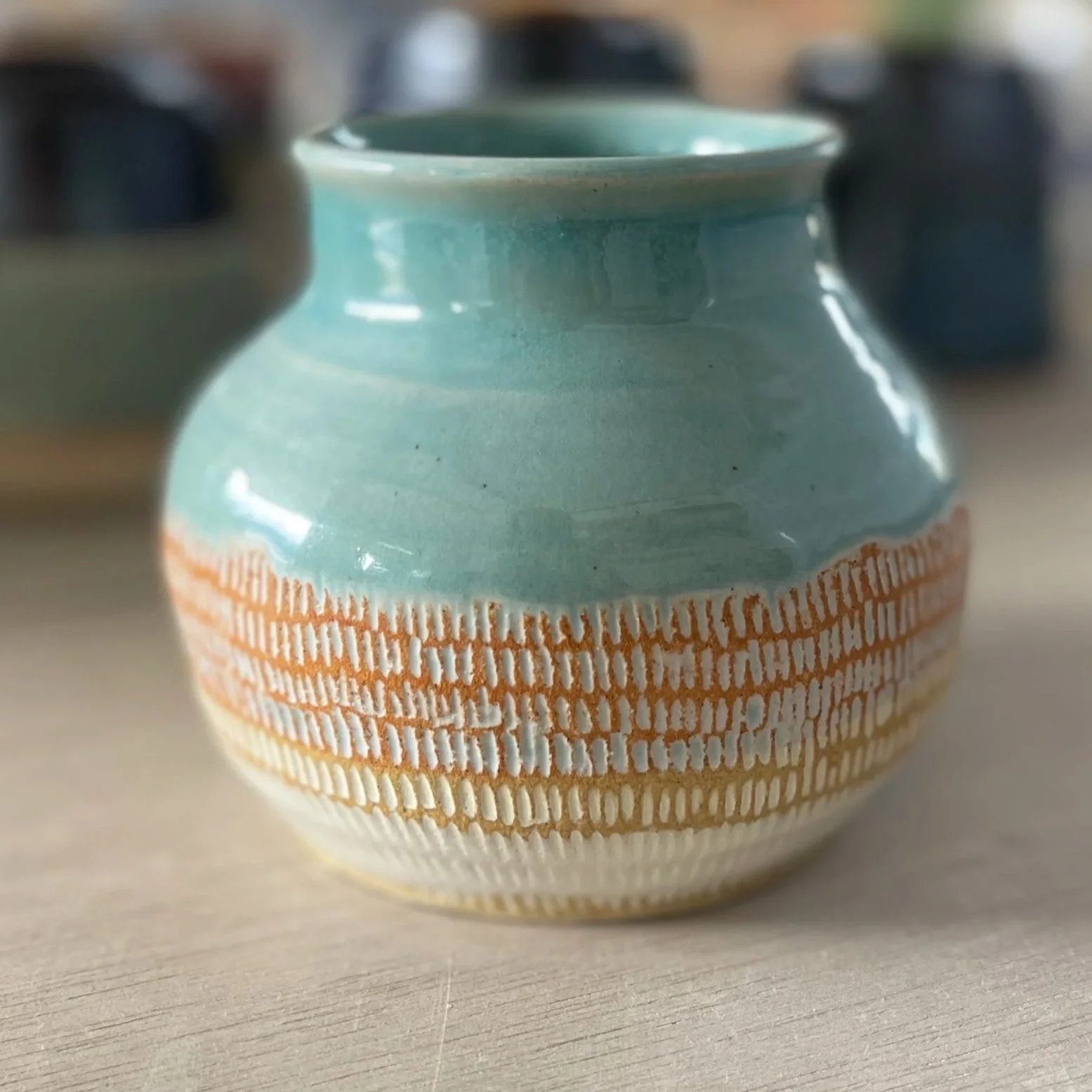
This diverse range of work from the Totnes Potters can be viewed from their website www.totnespotters.co.uk or get in touch with them by email at totnespotters@gmail.com.
